A good night train does two jobs at once: it moves you and it houses you, saving a hotel night and a daytime travel day in a single ticket. A bad night train just keeps you awake in a moving box. The difference usually comes down to a few decisions made before boarding — which class of cabin, which bunk, and what you pack for the night — rather than luck.
Couchette, sleeper or reclining seat — a real trade-off
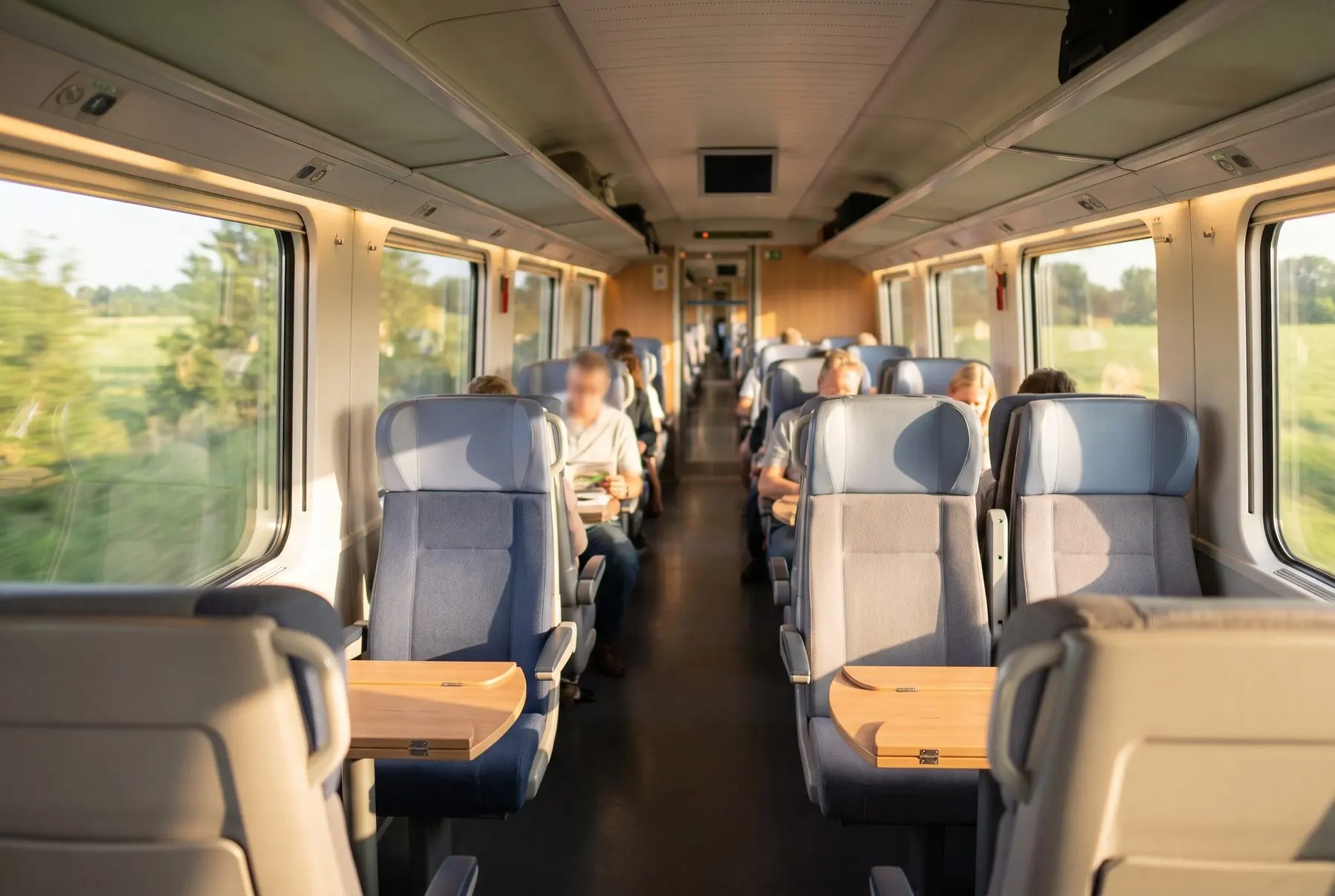
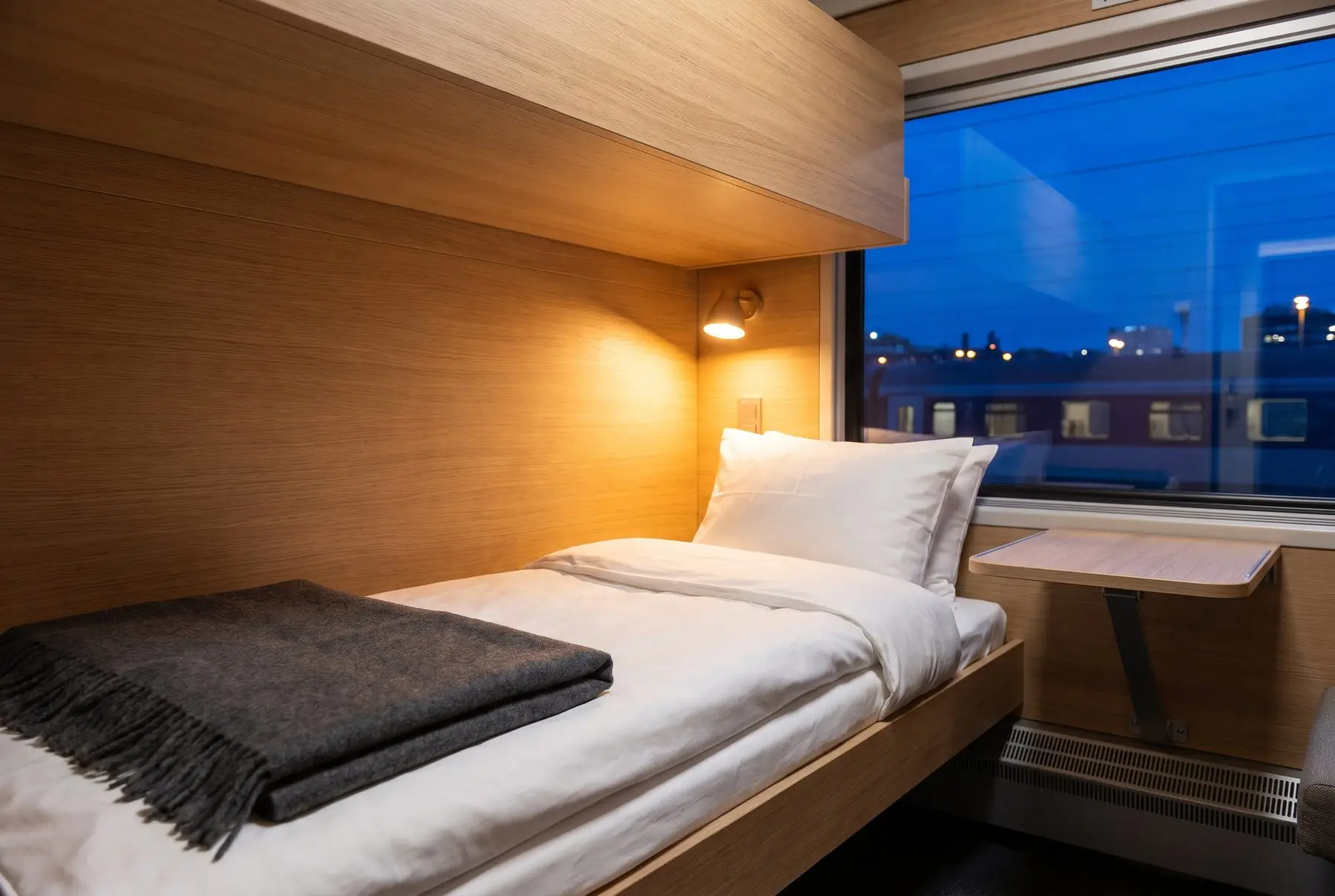
Night trains typically offer three broad tiers: a reclining seat (cheapest, essentially an overnight daytime seat), a couchette (a bunk in a compartment shared with several other passengers, sometimes strangers of any gender mixed together), and a private sleeper cabin (a locked compartment for one to three people, usually with washbasin, at a noticeably higher price). Each is a real trade-off between cost, privacy and how well you are likely to actually sleep.
If sleep quality matters more than budget on a given trip, a private sleeper is worth the upgrade — being able to lock the door and control the light is often the single biggest factor in actually resting. If budget matters more, a couchette with a bottom bunk and a good set of earplugs is a reasonable middle ground.
Bottom bunk, and other small choices that matter a lot
When a bunk choice is offered, a bottom berth is usually the more practical pick: it's easier to get in and out of during the night without waking others, doesn't require climbing a ladder half-asleep, and keeps your bag within reach rather than stowed somewhere separate. A middle or top bunk can still be perfectly comfortable, but it comes with more friction if you need the bathroom at 3am.
Some operators let you choose or request an all-female, all-male or family compartment for couchettes — worth asking about at booking if that matters to your comfort.
- Bottom bunk: easier access, luggage within reach, less climbing at night.
- Ask about single-gender or family compartment options if privacy matters to you.
Pack for the night, not just the destination
A small kit makes a disproportionate difference to sleep quality: earplugs and an eye mask handle the noise and light of a moving train and other passengers, a light layer or scarf covers the temperature swings common in shared compartments, and a refillable water bottle avoids relying on a trolley service that may not come by. Keep this kit in an easily reachable pocket rather than buried in the main bag.
Change into comfortable clothes rather than sleeping in daytime wear if privacy allows, and set a phone alarm with a buffer before your stop — announcements are not always reliable or in a language you understand, and some stops are brief.
Security and booking ahead
In a shared couchette, keep valuables, documents and anything irreplaceable with you — under a pillow, in a money belt, or clipped inside your sleeping bag liner — rather than in an open bag on the floor. Sleeper cabins with a locking door are more secure by design, one of several reasons they cost more.
Night trains generally have far fewer beds than a daytime train has seats, so popular routes and cabin classes — especially in peak summer or around holidays — can sell out weeks in advance. Book as soon as your dates are fixed if a specific class or route matters to you.
Frequently asked questions
Is a couchette or a private sleeper better?
It depends on what you value more. A private sleeper offers real privacy, a locking door and control over light, at a noticeably higher price. A couchette is cheaper and still perfectly workable, especially with a bottom bunk and a good set of earplugs.
What should I pack for a night train?
Earplugs, an eye mask, a light layer or scarf for temperature swings, a refillable water bottle, and comfortable clothes to change into if privacy allows. Keep this kit within easy reach rather than buried in your main bag.
Are night trains safe?
Generally yes, and they are a well-established way to travel across many parts of the world. The main practical precaution is keeping valuables and documents with you rather than in an open bag, especially in a shared couchette rather than a locking private cabin.
How far in advance should I book a night train?
As soon as your travel dates are fixed, if a specific route or cabin class matters to you. Night trains have far fewer beds than a daytime train has seats, and popular routes in peak season can sell out weeks ahead.