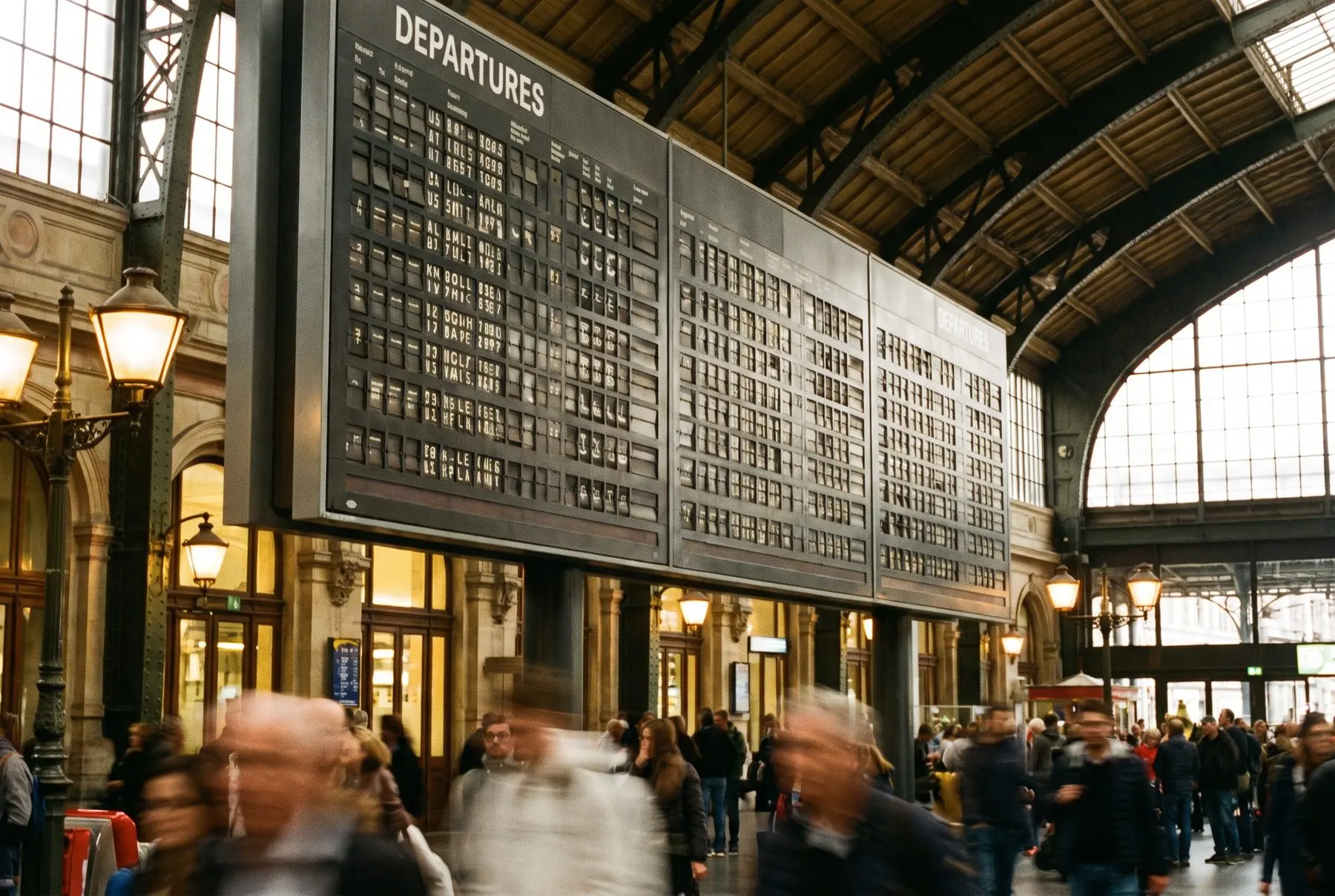
Missing a connection feels like a disaster in the moment, but it is almost always a solvable logistics problem, not a stranded-forever situation. Staff have seen it a thousand times, most operators have a standard process for it, and a calm, methodical response gets you back on track far faster than panic does. Knowing the process before it happens is what actually keeps it from ruining the day.
The first move: staff or app, not the ticket queue
The moment you realize a connection is missed, look for platform staff or a station information point before joining a general ticket-office queue — they usually have direct access to rebooking tools and current information about the next available service, and can often resolve things on the spot faster than waiting in line. Many operators' apps also allow self-service rebooking within minutes, which can beat finding a human entirely.
If the missed connection was caused by a delay on the operator's own earlier train, most will rebook you onto the next available service at no extra cost — the key phrase to use is asking to be 're-routed' or 'rebooked' due to a 'missed connection caused by a delay,' which staff recognize as a standard situation with a standard fix.
Through-tickets vs. self-connected tickets — a crucial difference
A single 'through-ticket' covering your whole journey, even across a connection, usually obligates the operator (or operators, under interline agreements) to get you to your final destination if you miss a connection due to their delay — often by rebooking you free of charge on the next available service, sometimes on a different operator entirely. A 'self-connect' itinerary — two or more entirely separate tickets you booked yourself to build your own connection — typically has no such protection: if the first ticket runs late and you miss the second, the second ticket is simply void, with no obligation on anyone's part to rebook you free of charge.
Knowing which type of ticket you are holding before you travel changes how much buffer time is wise to leave, and whether you might want travel insurance or a slightly more expensive through-fare for a genuinely tight connection.
What passenger rights actually cover
In the European Union, rail passenger rights generally require operators to offer a choice between a refund or rerouting to the destination when a delay makes you miss a connection on a through-ticket, and can require meals, refreshments and even overnight accommodation for longer delays, depending on the length of the delay and the specific rules that apply. Coverage and thresholds vary by country and by whether the ticket was sold as a single through-fare, so check the specific terms that apply to your ticket rather than assuming a blanket rule.
Outside the EU, rules vary enormously by country and operator, so it is worth reading the specific conditions of carriage for your ticket before travelling on a route with a tight or important connection, rather than discovering your rights for the first time in the middle of a delay.
Small habits that make the next disruption easier
Photographing the departure board showing the delay, saving any rebooking confirmation email or message, and noting the time you were told about the delay all build a simple paper trail — useful both for rebooking on the spot and for any compensation claim you might file afterward. This takes thirty seconds in the moment and can save a lot of back-and-forth later.
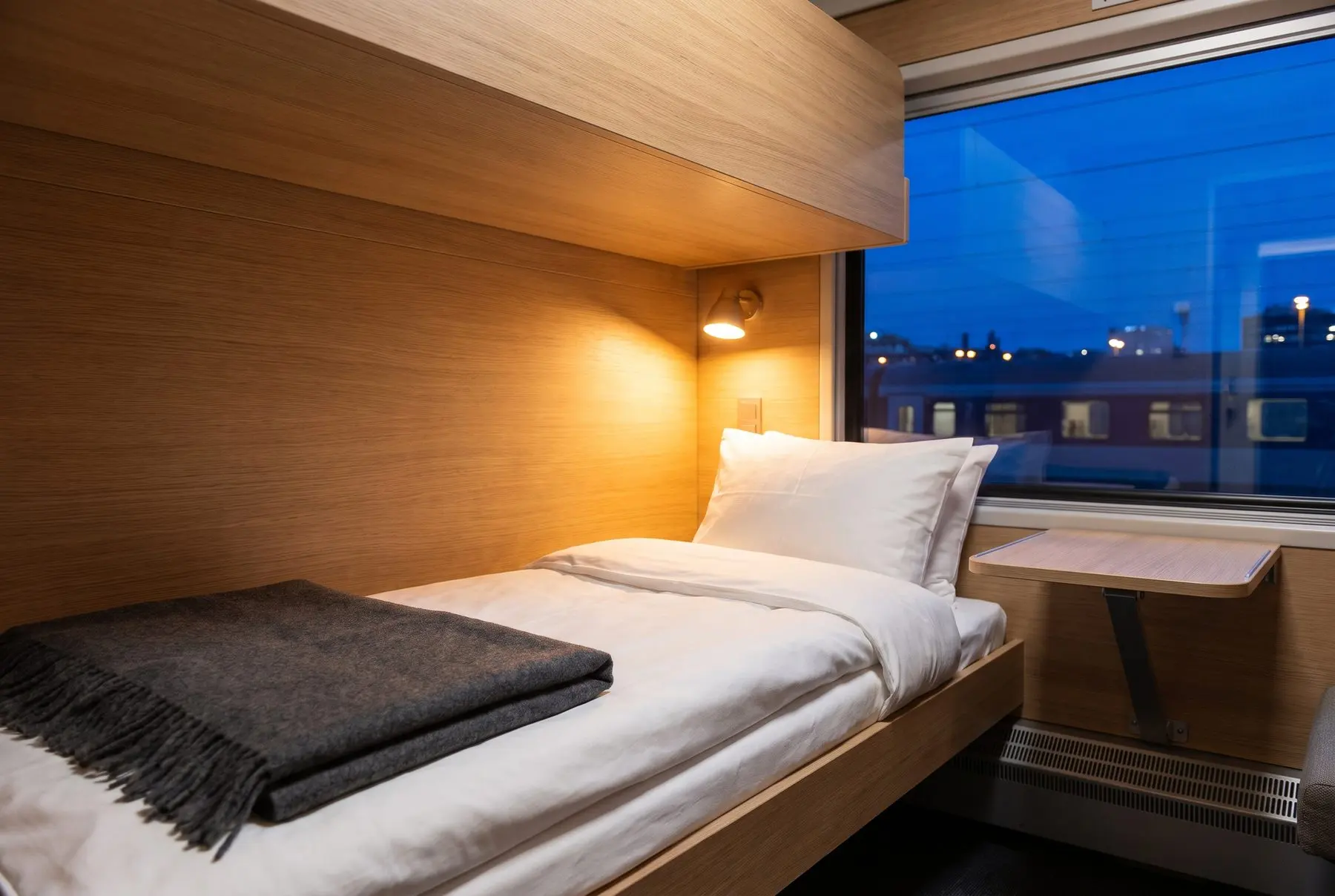
If a missed connection is genuinely going to strand you overnight, ask staff directly about a hotel voucher or reimbursement policy before booking and paying for a room yourself — many operators cover this under passenger rights rules, but it usually needs to be requested rather than offered automatically.
Frequently asked questions
What should I do first if I miss a connection?
Find platform staff, an information point, or the operator app before joining a general ticket queue. Most operators have a standard rebooking process for missed connections caused by their own delays, and staff can often resolve it faster than waiting in line.
Am I entitled to compensation for a missed connection?
It depends on your ticket type and jurisdiction. In the EU, through-tickets covering the whole journey are generally protected under rail passenger rights rules, which can include rerouting, meals or accommodation for longer delays. Self-connected tickets (separate tickets you booked yourself) typically have no such protection. Check the conditions of carriage for your specific ticket.
What is the difference between a through-ticket and separate tickets?
A through-ticket covers your entire journey, including any connection, as a single fare — if a delay causes you to miss the connection, the operator is generally obligated to get you to your destination. Separate 'self-connected' tickets are two independent bookings with no such link, so a delay on the first one voids the second with no automatic protection.
Can I get a hotel paid for if I get stranded overnight?
Often, if the delay was caused by the operator and your ticket is covered under passenger rights rules — but it usually needs to be requested from staff at the time rather than being offered automatically, and rules and thresholds vary by country and operator. Ask before booking and paying for a room yourself.