Italy rewards travelers who leave the car behind more than almost anywhere else in Europe. High-speed trains link the major cities in a few hours, a dense regional network and local buses reach deep into the countryside, and ferries stitch together the coasts and lakes — while historic centers are often easier, and sometimes only possible, to explore on foot. This guide covers the whole toolkit and the regions where going car-free simply works best.
Trains: Trenitalia, Italo and the regional network
Two competing operators run the country's high-speed spine: state-owned Trenitalia's Frecciarossa, Frecciargento and Frecciabianca services, and the private Italo, both linking Milan, Bologna, Florence, Rome and Naples in a few hours with frequent daily departures. Booking ahead unlocks the cheapest fares, especially on Fridays, Sundays and around holidays.
Below the high-speed layer sit slower Regionale and Regionale Veloce trains, reaching smaller towns and the coast for a fraction of the price, with InterCity services filling some of the gaps between. Coverage is denser and more frequent in the north and center; the south and the islands lean more heavily on buses and ferries to close the remaining gaps.
- Milan to Rome — about 3h on the fastest Frecciarossa or Italo services.
- Rome to Naples — around 1h10 on the fastest trains.
- Florence to Venice — roughly 2h direct.
Ferries and hydrofoils
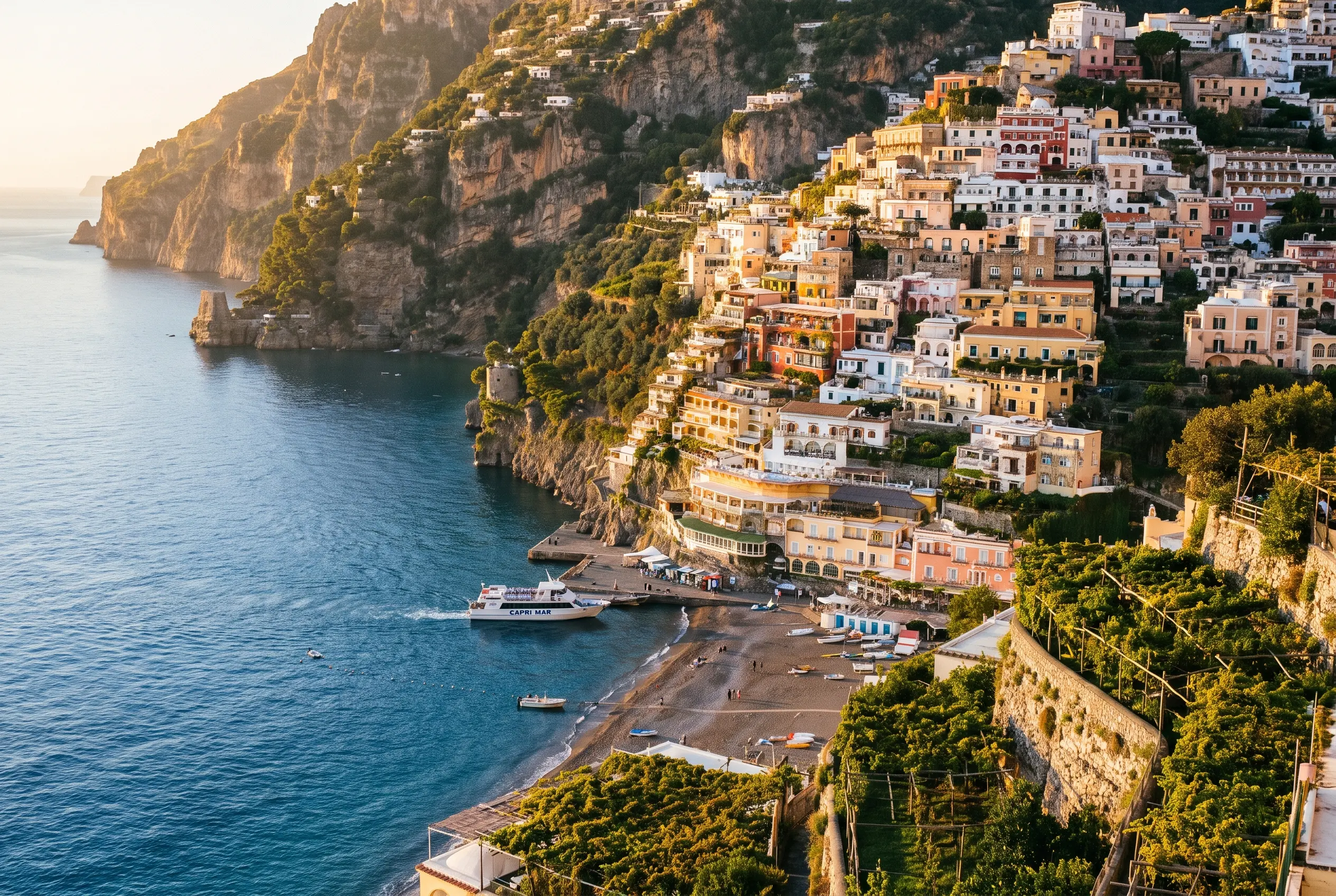
Italy's coastline and lakes are stitched together by ferries and fast hydrofoils. In Venice, the vaporetto is effectively the city bus, running canal and lagoon routes around the clock; along the Amalfi Coast and in the Bay of Naples, seasonal boats link Sorrento, Positano, Amalfi and the islands, often faster and far more scenic than the coast road.
The great northern lakes — Como, Garda and Maggiore — run year-round passenger boats between lakeside towns, a relaxed alternative to narrow, traffic-heavy shoreline roads. Longer overnight ferries reach Sicily and Sardinia from ports like Genoa, Civitavecchia and Naples, for anyone extending the trip further south without flying.
- Bay of Naples — Capri, Ischia and Procida, reached by ferry or hydrofoil from Naples or Sorrento.
- Amalfi Coast — seasonal ferries link Salerno, Amalfi, Positano and Sorrento, roughly April to October.
- Northern lakes — Como, Garda and Maggiore all run year-round lake steamers and fast boats.
- Venice — the vaporetto network covers the whole lagoon, including Murano, Burano and the Lido.
Buses for the last mile
Where trains stop, regional and provincial bus companies pick up — each region runs its own network, such as SITA Sud in Campania or Trentino Trasporti in the Dolomites, so tickets and apps change as you cross regional lines. These buses are essential for reaching hill towns, national parks and coastal villages that have no station of their own.
Long-distance coach operators such as Flixbus fill in intercity gaps, sometimes cheaper than the train though slower, and are useful for a handful of secondary routes with limited rail service, including connections to smaller southern towns and some ferry ports.
Where car-free travel works best
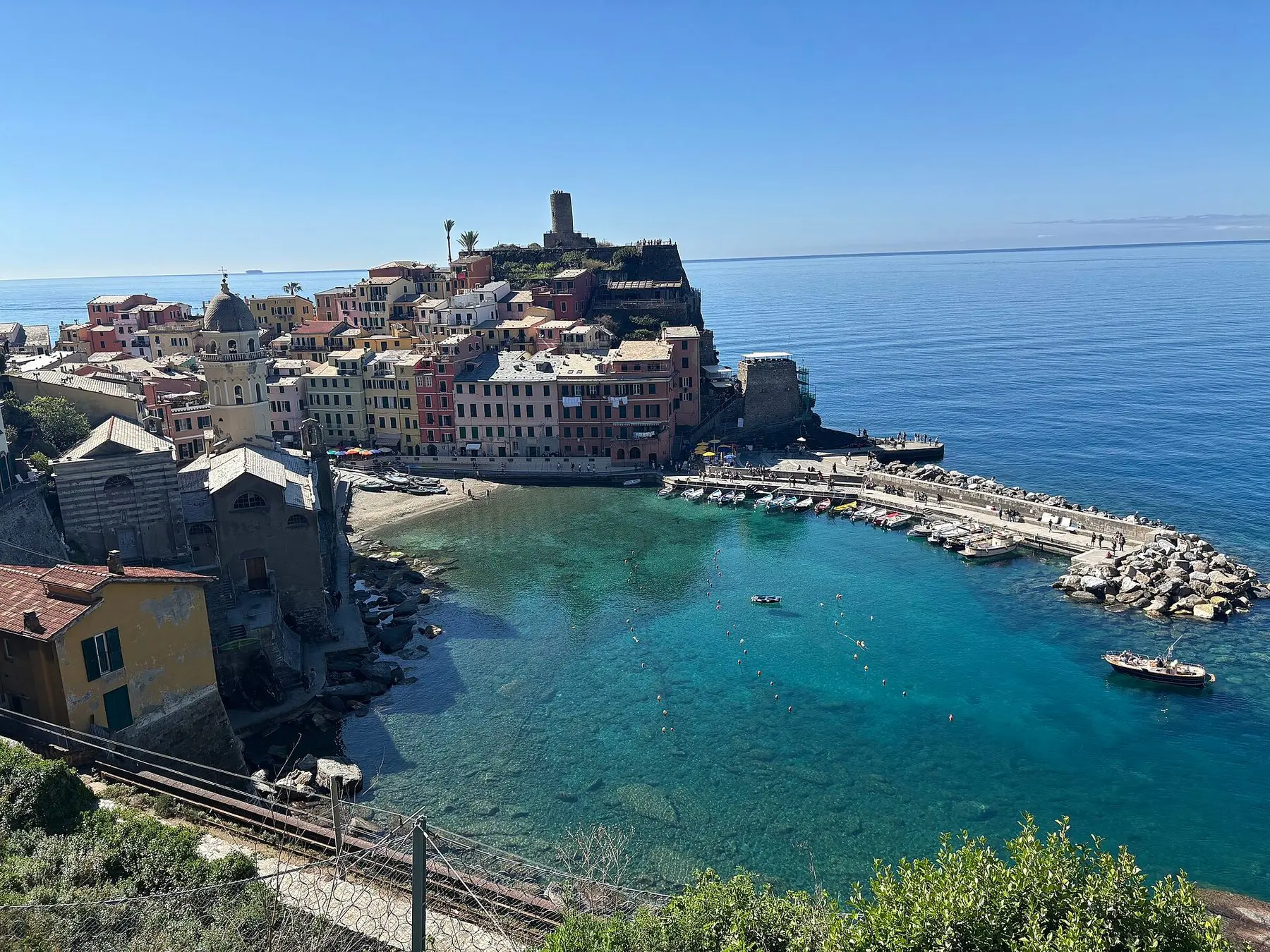
Some of Italy's best-loved destinations are actively easier without a car: Cinque Terre and the Amalfi Coast both have narrow roads with scarce, expensive parking, and Venice bans private cars outright inside the historic center. Driving to these places usually means paying to park far outside town and walking or busing in anyway.
City centers add another layer: most historic downtowns, from Rome and Florence to Bologna and Lucca, restrict private traffic through ZTL (Zona a Traffico Limitato) zones enforced by camera, with fines mailed to rental companies and passed on to tourists months later. Sticking to trains, buses and your feet sidesteps the whole problem.
- Cinque Terre — five villages on one train line, plus trails and seasonal ferries.
- Amalfi Coast — SITA Sud buses and ferries replace a notoriously narrow coastal road.
- Venice — no cars at all inside the historic center; vaporetto and walking cover everything.
- The Italian Lakes — Como, Garda and Maggiore, linked by boats and lakeside trains and buses.
- Historic city centers — Rome, Florence, Bologna and more restrict cars via ZTL zones anyway.
Tickets, passes and validating your ticket
Trenitalia and Italo sell tickets separately — there's no single national rail pass the way some countries offer, so it's worth comparing both when booking a high-speed route. Booking a few weeks ahead usually unlocks the cheapest fare brackets on either, while walk-up regional tickets stay flat-priced and flexible.
Paper regional tickets must be validated at the small green or yellow machines on the platform before boarding, or through the operator's app if bought digitally — inspectors fine unvalidated tickets on the spot, even for travelers who intended to pay. Regional passes such as Campania's Artecard or the Cinque Terre Card bundle transport with museum or trail access, worth checking before buying point-to-point.
Frequently asked questions
Can you travel around Italy without a car?
Yes, especially in the north and center, where high-speed and regional trains reach nearly every city and many towns. The south and islands take more planning, leaning on regional buses and ferries, but a car-free trip is realistic almost anywhere with a bit of extra time built in.
Is Trenitalia or Italo better?
They cover largely the same main routes with similar comfort and pricing, so it usually comes down to whichever has a better departure time or fare on the day you check. Comparing both before booking — rather than defaulting to one — is the easiest way to save money on the busiest corridors like Milan–Rome.
Do I need a car for the Amalfi Coast or Cinque Terre?
No — both are actively easier without one. Cinque Terre runs on a single train line plus trails and seasonal ferries, and the Amalfi Coast is served by SITA Sud buses and ferries along a road so narrow and congested that locals themselves often avoid driving it in peak season.
Is a car-free trip realistic in rural regions like Tuscany, Puglia or Sicily?
It takes more planning, but it works. Base yourself in a well-connected town, use regional trains and buses for day trips, and accept that some hilltop villages need a longer bus ride or an organized day tour to reach — the trade-off is trading total flexibility for a slower, more local pace of travel.