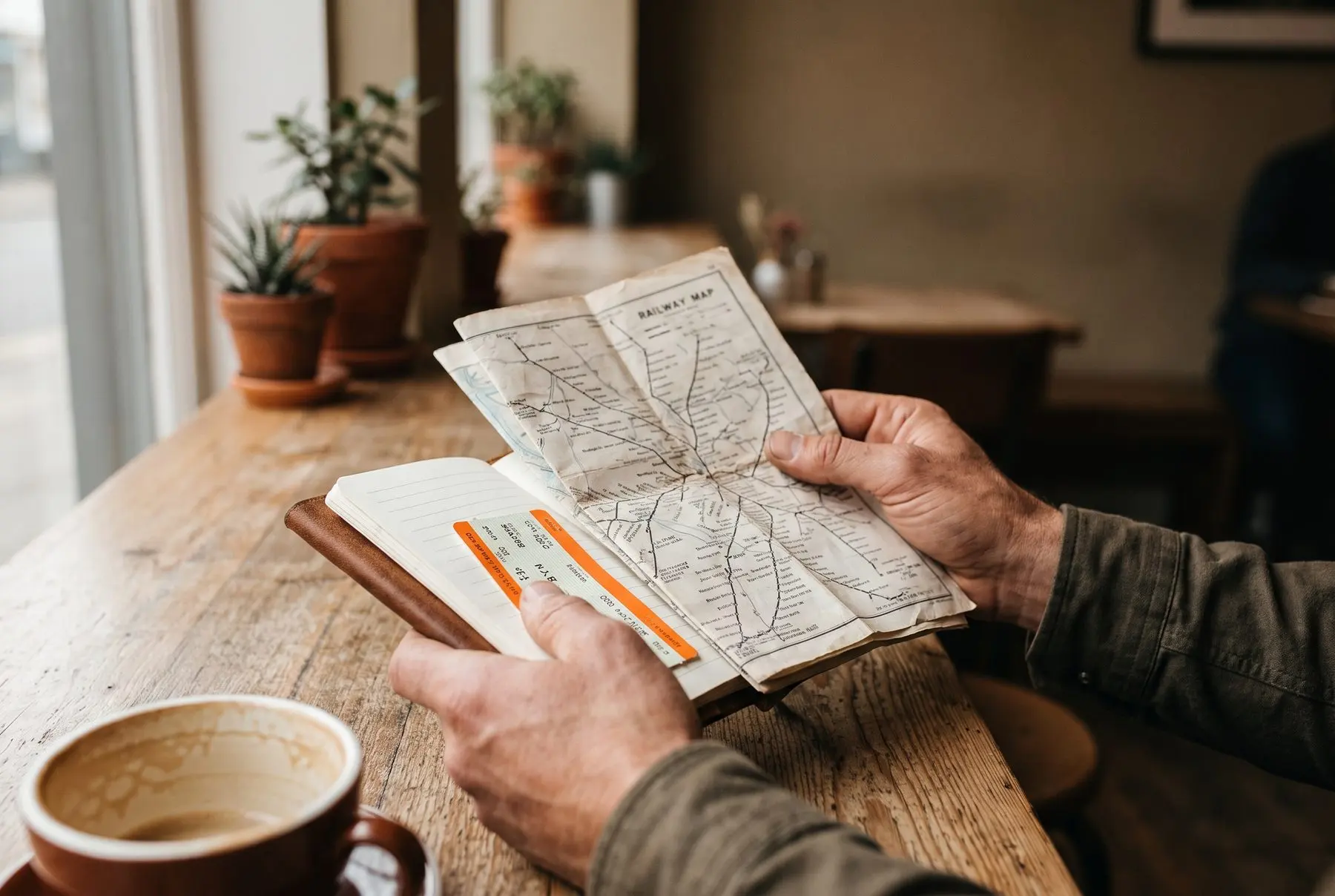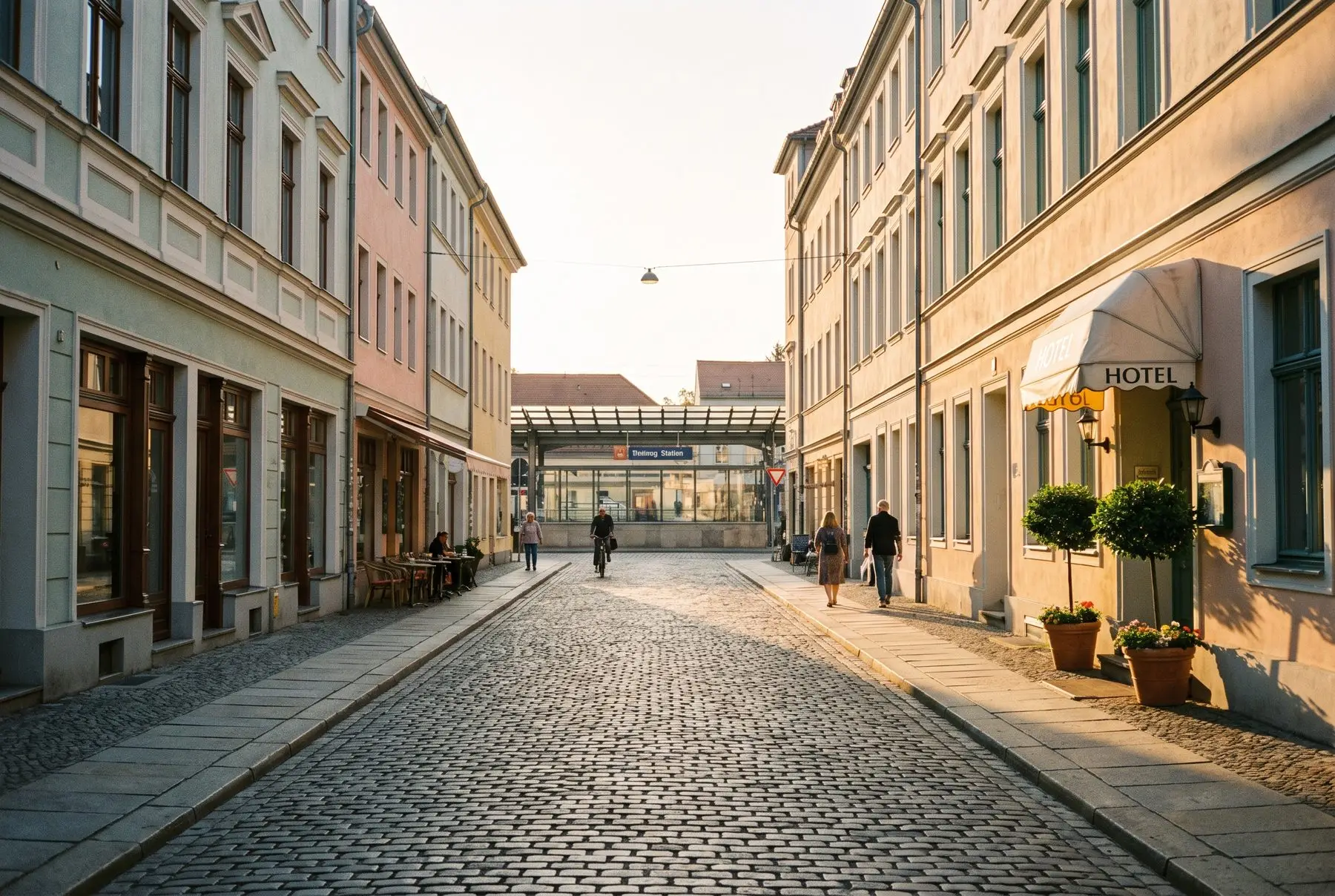
Without a car, a hotel's location is not just a convenience — it is the backbone of the whole day. A beautiful room a 25-minute walk uphill from the only train station means every single day starts and ends with that climb, luggage or not. Judging location properly, before booking, does more to make a car-free trip pleasant than almost any other single decision.
A map pin lies about distance more than you think
A hotel that looks 500 meters from the station on a map can be a genuinely different experience depending on whether that stretch is flat pavement, a steep switchback path, or a route with no sidewalk at all. Map distance tells you almost nothing about effort — check street-level imagery or reviews for the actual walk, especially if you'll be carrying luggage.
In hill towns, coastal villages and old centers, elevation change matters as much as horizontal distance. A hotel that is technically closer but 60 meters higher can be more tiring to reach than one further away on flat ground.
Ask about the last service, not just the first
Most hotel listings and reviews focus on how easy it is to arrive, since that is what guests experience once, at check-in. What matters far more for a multi-day stay is the last service back each evening — a hotel that is a five-minute walk from the station is only genuinely convenient if that station also has service late enough for your plans.
When you message a guesthouse to book, it's worth asking directly: what time does the last bus or train back actually run, and does that change on weekends? A quick answer from the property often beats digging through timetables yourself.
Read reviews for the walk, not just the room
Guest reviews are one of the best free sources of real transport information, if you read them for the right thing. Look specifically for phrases like 'easy walk from the station,' 'we had to take a taxi,' or 'lots of stairs with our bags' — these tell you more about the actual car-free experience than any official description or photo gallery.
If a listing has no reviews mentioning transport at all, that itself is worth noting — it may simply mean most guests arrived by car, which tells you something too.
Fewer, better bases beat a new hotel every night
Every hotel change costs a car-free traveller more than a driver: packing, checking out, hauling bags to a station, and unpacking again at the other end. Choosing one or two well-connected bases and taking day trips from each usually beats chasing the single most photogenic hotel in every town along the route.
This is especially true for regions with a strong hub town — a place with more frequent connections, often slightly cheaper accommodation, and a short hop to the smaller, prettier villages nearby that may have thinner transport links of their own.
Frequently asked questions
How close to the station should I stay without a car?
There's no fixed number, but anywhere within a 10–15 minute flat walk is comfortable for most people, even with luggage. Beyond that, check the terrain and elevation carefully, and read reviews for how guests actually describe the walk.
Is it better to stay in a big hub town or a small village?
A hub town usually wins for convenience — more frequent connections, later last services, and often lower prices — while a small village wins for atmosphere. Many travellers do best splitting the trip: a hub as the main base, with a night or two in the prettier village if its transport links allow it.
What should I ask a hotel before booking without a car?
Ask about the actual walking time and terrain from the nearest station or bus stop, and specifically about the last service back in the evening, including whether it differs on weekends. A quick message to the property often settles this faster than searching yourself.
Should I book one hotel or several for a multi-stop trip?
Fewer, longer stays usually work better without a car, since every hotel change costs real time and effort in packing and transfers. One or two well-connected bases with day trips from each generally beats a new hotel every single night.