Sark
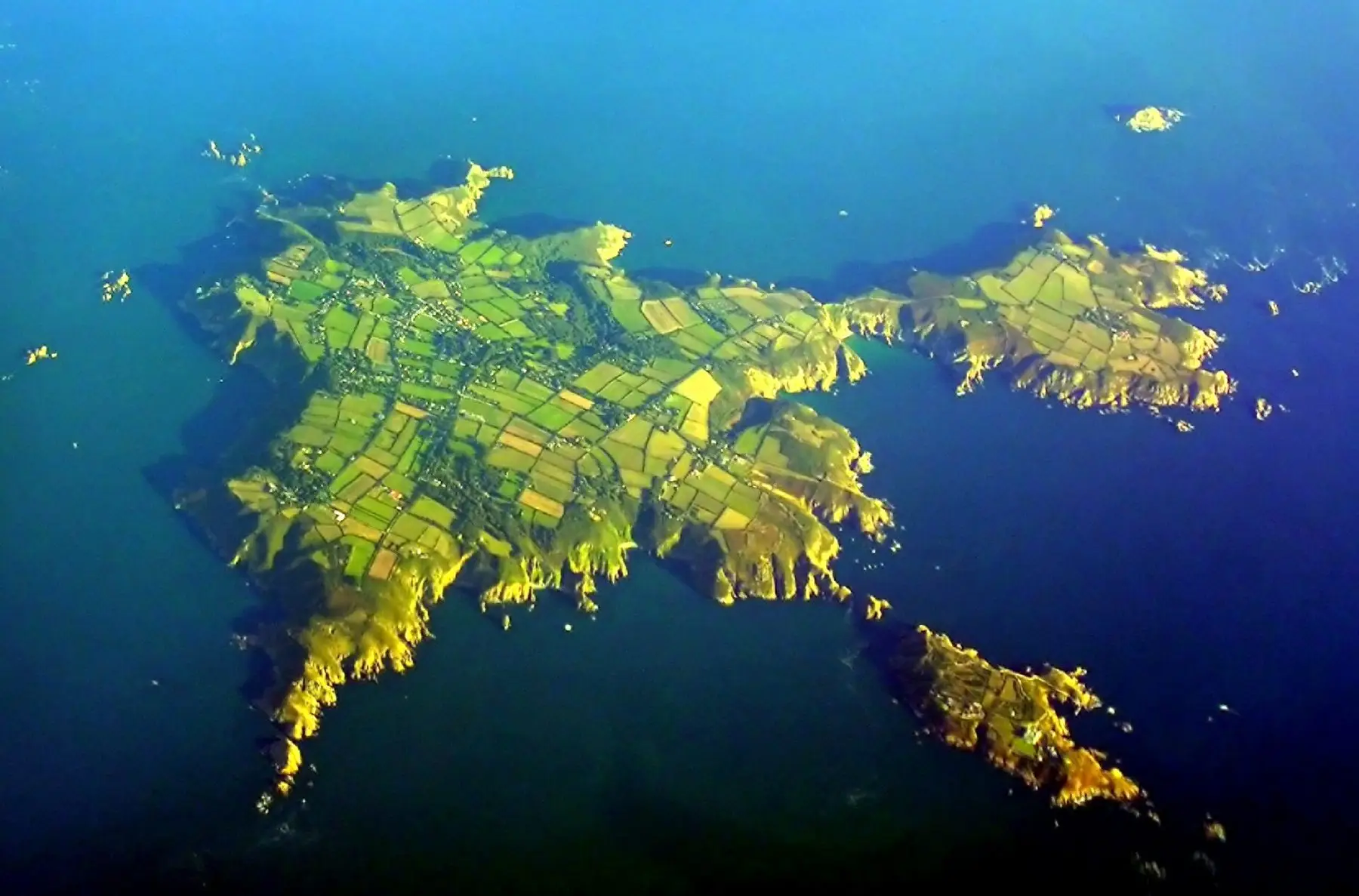
A tiny Channel Island that has banned cars for over a century — bicycles, horse-drawn carriages and the occasional tractor are the only wheels allowed.
- Ferry
- Bike
- Walk
No, cars are not allowed on Sark — the island has banned private motor vehicles since the early twentieth century, and the rule still holds today. Bicycles, horse-drawn carriages and a handful of agricultural tractors are the only wheeled transport permitted, and the only way onto the island at all is by boat from Guernsey. It also happens to be one of the few Dark Sky Islands in the world, with no streetlights or car headlights to wash out the stars.
Why it works without a car
- Private cars have been banned on Sark for over a century — bicycles, carriages and tractors are the only wheeled transport allowed.
- Horse-drawn carriages meet the ferry at the harbour and carry passengers and luggage up Harbour Hill into the village.
- Regular ferries link Sark to St Peter Port on Guernsey, itself reachable from the UK and France without ever needing a car.
- With no engine noise or headlights after dark, Sark is one of the world's few certified Dark Sky Islands.
How to arrive
Sark has no airport, so every visitor arrives the same way: by ferry from St Peter Port, Guernsey's main town. The Isle of Sark Shipping Company runs the crossing several times a day in season, landing at Maseline Harbour.
Guernsey itself is reachable without a car — regular flights serve Guernsey Airport, and ferries connect St Peter Port to Poole and Portsmouth in the UK and St Malo in France. Getting from any of those to Sark never requires driving.
- From St Peter Port, Guernsey — about 45 to 55 minutes by ferry.
- From Poole or Portsmouth (UK) to Guernsey — around 3 to 6 hours by sea, or under an hour by air.
- Sailings to Sark reduce sharply outside the summer season and can be cancelled in rough weather, so keep travel plans flexible.
Getting around
Sark is small enough — about 5.5 square kilometres — to cross on foot in a couple of hours, but bicycles are how most visitors and residents actually get around, hired by the day from shops near the harbour top and the village.
Horse-drawn carriages, often called "toast racks" locally for their bench-row seating, ferry passengers and luggage up Harbour Hill and around the island for a fee, and a few tractors handle freight and the heaviest loads.
Last-mile gaps
Harbour Hill is the one climb every arriving visitor has to reckon with — a steep, roughly 15-minute walk from Maseline Harbour up to the village plateau, with no shortcut. Most people either walk it or take a carriage.
Sark's smaller neighbour, Little Sark, connects across a narrow, dramatic isthmus called La Coupée — walkable or cyclable, but exposed and best avoided in high wind.
Travelling with luggage
Luggage is a genuine challenge on Sark because of Harbour Hill — there is no vehicle waiting at the pier for casual hire, only carriages and tractors that need arranging, and the hill itself rules out dragging a heavy case on your own.
Most hotels and guesthouses arrange carriage or tractor-trailer transfers for guests' bags from the harbour if you let them know your arrival time in advance — book this ahead rather than hoping to sort it on the quay.
Where to stay
Frequently asked questions
Are cars allowed on Sark?
No — Sark has banned private cars for over a hundred years. The only wheeled transport allowed is bicycles, horse-drawn carriages and a small number of tractors used for freight and, in some cases, disability access.
Why is Sark car-free?
The ban dates back to the early twentieth century, rooted in Sark's feudal-era laws and a deliberate choice to keep the tiny island — barely 5.5 square kilometres — quiet, slow-paced and unspoiled by traffic. It has been renewed and upheld ever since, and today it also protects Sark's status as a Dark Sky Island.
How do you get to Sark without a car?
By ferry from St Peter Port on Guernsey, a crossing of about 45 to 55 minutes run by the Isle of Sark Shipping Company. Guernsey itself is reached by air or by ferry from the UK or France, so the whole journey never needs a car.
How do you get around Sark without a car?
By bicycle, hired by the day near the harbour or in the village, which is how most visitors and locals get around this small island. Horse-drawn carriages cover the climb up Harbour Hill and longer trips, and everything is also walkable given time.
Can you take luggage to Sark easily?
Not really on your own — Harbour Hill is a steep 15-minute climb from the pier with nothing motorised to help, so a heavy suitcase is a real burden. Book a carriage or tractor-trailer transfer through your hotel in advance, and the harbour porters can usually help in a pinch too.
- Country
- Channel Islands (Guernsey)
- Region
- Bailiwick of Guernsey
- How you travel
- Ferry
- Bike
- Walk
Keep exploring