Venice
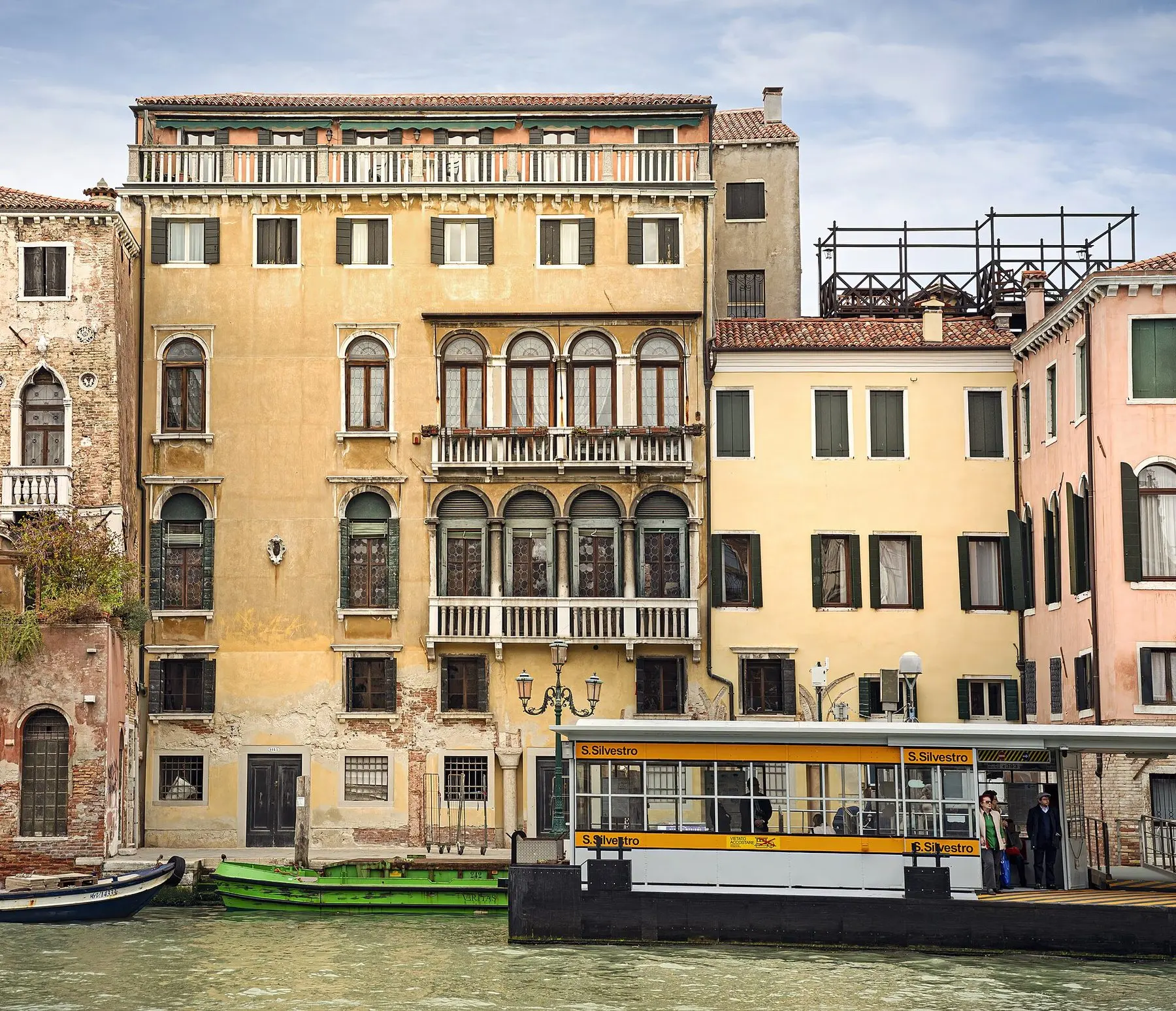
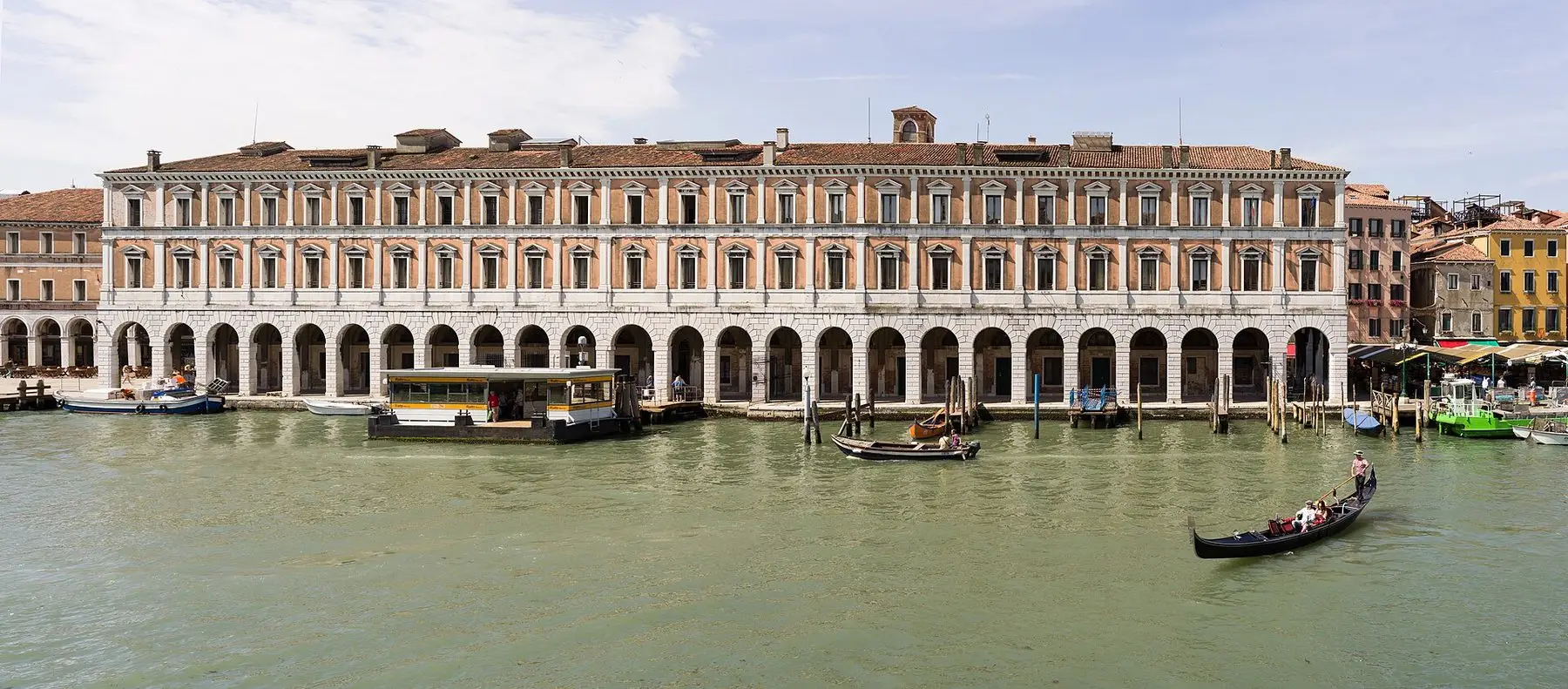
No roads, no cars, not even bicycles in the historic centre — just water buses, gondolas and a city built for walking.
- Train
- Ferry
- Walk
No, cars are not allowed in Venice's historic centre — there are no roads for them to drive on. The city is built on more than a hundred small islands linked by canals and footbridges, so everyone gets around the same way: on foot, or by boat. Trains run straight into Santa Lucia station on the edge of the Grand Canal, and from there the whole centre is a walk or a vaporetto ride away.
Why it works without a car
- No cars, no roads: the historic centre has been navigated on foot and by boat since it was built.
- Trains stop right at Venezia Santa Lucia, steps from the Grand Canal and the vaporetto docks.
- The vaporetto water-bus network covers the whole city and the outer islands, running late into the night.
- Piazzale Roma, at the mouth of the canal, is the only spot cars can reach — everything past it is car-free by design.
How to arrive
Venezia Santa Lucia station sits directly on the Grand Canal, with regional and high-speed trains arriving from Milan, Verona, Florence, Rome and Vienna. Step outside and the vaporetto stops and canal-side hotels are right there.
Flying in, the Alilaguna water shuttle links Marco Polo airport straight to the city by boat, and land buses run to Piazzale Roma — the car-accessible square where the causeway from the mainland ends.
- From Milan — about 2h30 to 3h direct by high-speed train.
- From Florence — about 2h direct.
- From Munich or Vienna — roughly 5 to 7h on daytime or overnight trains, no changes.
- From Marco Polo Airport — about 1h15 by Alilaguna boat, or ~20 minutes by bus to Piazzale Roma plus a short walk or vaporetto.
Getting around
Walking covers most of the centre — nowhere is more than about 30–40 minutes on foot, and the maze of alleys and bridges is part of the experience once you accept getting a little lost. For longer hops or heavy legs, the ACTV vaporetto lines run frequently along the Grand Canal and out to the lagoon.
A single vaporetto ticket is pricey for a short hop, so most visitors staying a few days get a multi-day travel card. Traghetto gondolas also cross the Grand Canal at a handful of points for a few minutes and a couple of euros — a cheap, quick alternative to the nearest bridge.
Last-mile gaps
Addresses in Venice follow a historic district numbering system rather than street order, so phone maps can undersell how confusing wayfinding gets. Give yourself extra time near appointments and check-ins, and use landmarks and bridge names, not just the app arrow.
The outer islands — Murano, Burano, Torcello — need their own vaporetto legs from the Fondamente Nove docks, roughly 30–45 minutes each way, so budget a half-day if you want more than one.
Travelling with luggage
Venice is genuinely tough with bags — narrow bridges mean every one of the hundreds of canal crossings is a set of steps, and there are no cars or taxis to bail you out on the final stretch. A wheeled suitcase gets dragged, not rolled, for most of the way.
Water taxis (private motorboats) will carry you and your bags door-to-door for a fee, and porters with hand carts (portabagagli) can be hired near the station and Piazzale Roma. Book a hotel as close as you can to a vaporetto stop, and pack lighter than you think you need to.
Tickets & the vaporetto pass
ACTV sells single vaporetto tickets and multi-day travel cards (typically 1, 2, 3 or 7 days) covering unlimited rides on water buses. If you plan more than two or three trips a day, the pass is almost always cheaper.
Day-trippers also pay a small access contribution on certain peak dates, booked online in advance — check current dates before you go, since the calendar changes year to year.
Where to stay
Before you use public Wi-Fi on the way
Wi-Fi on trains, ferries, in stations and in cafés is a network shared with other people. A VPN encrypts the connection between your device and the VPN server, one extra layer when you check email or log in to accounts on the move. NordVPN is one option.
See NordVPNFrequently asked questions
Are cars allowed in Venice?
No — there are no roads for cars in the historic centre, only canals and pedestrian streets. Cars can only reach Piazzale Roma, at the edge of the city where the causeway from the mainland ends; everything beyond it is on foot or by boat.
How do you get to Venice without a car?
By train, straight into Venezia Santa Lucia station on the Grand Canal, with direct connections from Milan, Florence, Rome, Verona, Munich and Vienna. Flying in, the Alilaguna boat or a bus from Marco Polo Airport both reach the city without ever needing a car.
How do you get around Venice without a car?
On foot for most trips — the centre is compact and walkable in 30–40 minutes end to end — and by vaporetto water bus for longer hops or the outer islands. Gondola traghetti offer quick, cheap crossings of the Grand Canal, and private water taxis cover door-to-door trips for a fee.
Can you take luggage to Venice easily?
Not really — hundreds of small bridges mean stairs on nearly every route, and there are no cars or taxis to help on the final stretch to your hotel. Pack as light as you can, book close to a vaporetto stop, and consider a paid water taxi or porter service for heavy bags.
Why is Venice car-free?
Because it was built centuries before the car existed, on a lagoon of small islands with canals instead of streets. There was never a road network to adapt — the city simply never needed one, and a causeway added in the twentieth century still stops at its edge.
- Country
- Italy
- Region
- Veneto
- How you travel
- Train
- Ferry
- Walk
Keep exploring